 Siding
Vinyl vs. Fiber Cement Siding: Which Is Right for Your Home?
When it comes to siding replacement, most homeowners in Upstate South Carolina are choosing between two materials: vinyl and fiber cement. Both are solid options. Both will outlast the original siding on most homes built before 1990. But they have meaningfully different characteristics, and the right choice depends on what you prioritize.
What Is Vinyl Siding?
Vinyl siding is made from PVC (polyvinyl chloride) and has been the most popular residential siding material in the US for decades. It's lightweight, relatively inexpensive, and available in a wide range of colors and profiles that mimic wood lap siding, shake, board and batten, and other styles.
Modern vinyl siding is a significant improvement over the thin, cheap products from the 1980s and 90s. Premium vinyl today is thicker, more impact-resistant, and insulated versions include a foam backing that improves the home's thermal performance.
What Is Fiber Cement Siding?
Fiber cement is made from a mixture of cement, sand, and cellulose fiber. It's heavier and more rigid than vinyl, and in terms of visual appearance, it more convincingly replicates wood than vinyl does. James Hardie is the dominant brand name, and many people refer to fiber cement siding simply as "Hardie board."
Fiber cement costs more to manufacture, more to transport (it's heavy), and more to install (it requires more labor and specialized tools). These factors push the installed cost above vinyl.
Cost Comparison
As a general range for the Upstate South Carolina market:
- Vinyl siding (standard): $5 – $9 per square foot installed
- Vinyl siding (insulated premium): $8 – $13 per square foot installed
- Fiber cement siding: $10 – $18 per square foot installed
On a typical 2,000 square foot home exterior, the difference in material and installation cost between mid-grade vinyl and fiber cement is typically in the range of $5,000 to $15,000. That's not a trivial number.
These numbers vary significantly based on the complexity of your home's exterior, the number of stories, window and door trim work, and the specific products selected. Get a written estimate to see the real numbers for your home.
Durability and Weather Resistance
Both materials are designed to withstand the Upstate South Carolina climate — hot, humid summers, occasional ice and freezing temperatures in winter, and the severe thunderstorms and hail events that move through the region.
Vinyl advantages:
- Doesn't rot or absorb moisture
- Color is embedded through the material, so scratches aren't as visible
- Handles freeze-thaw cycles without cracking (though becomes more brittle in extreme cold)
Fiber cement advantages:
- Significantly more impact resistant — holds up better to hail and flying debris
- Won't melt or deform near heat sources like grills and fire pits
- Doesn't expand and contract with temperature changes the way vinyl does
- More resistant to insect damage
- Fire resistant — a meaningful advantage in some insurance contexts
Appearance
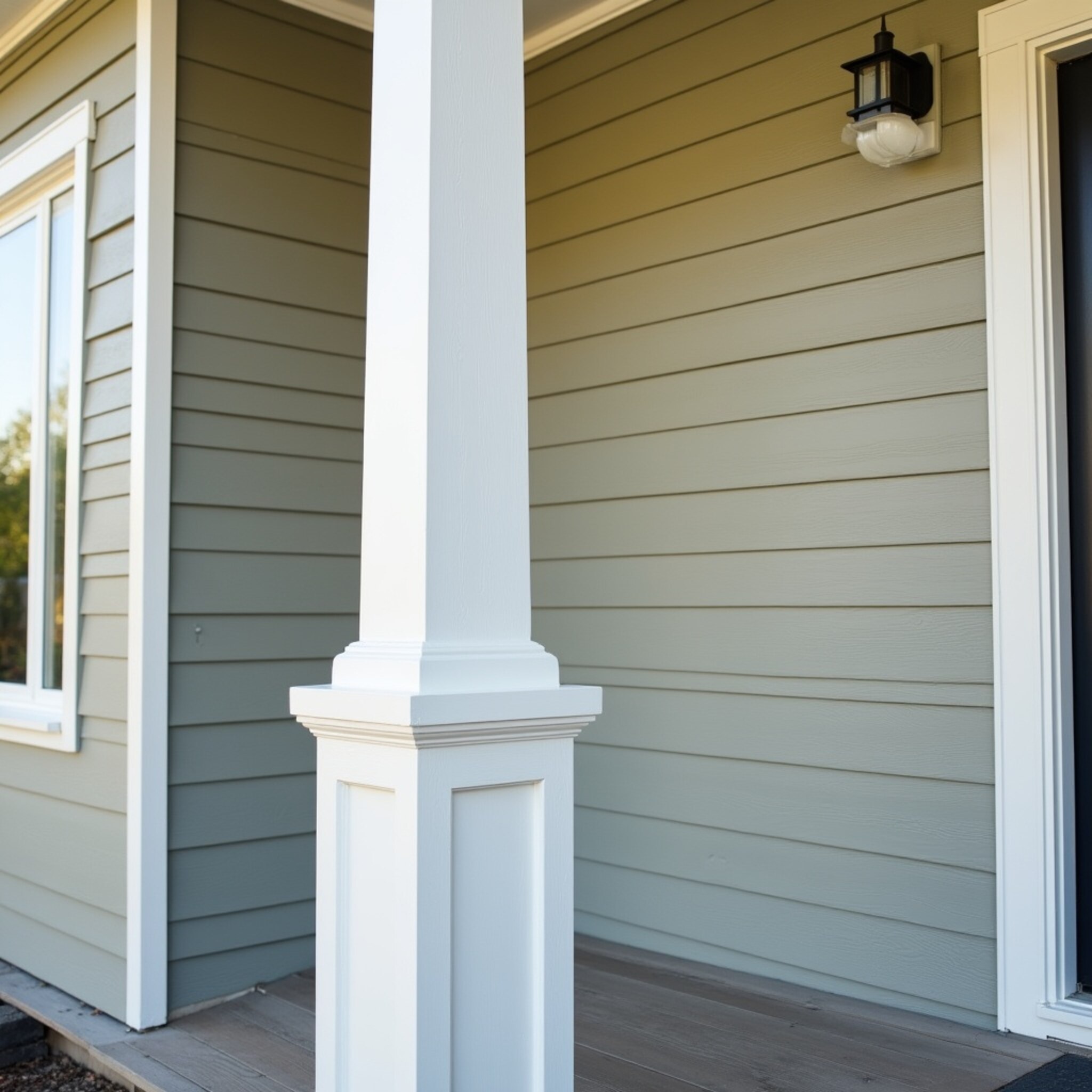
This is subjective, but there's a general consensus among contractors and homeowners: fiber cement looks more like wood than vinyl does, especially up close. The texture is crisper, the profiles are deeper, and the paint finish can be customized to any color.
Premium vinyl has improved substantially, but the slightly hollow sound when knocked, the visible seam at lap joints, and the way it reflects light can distinguish it from fiber cement on close inspection. For most homes viewed at street level, the difference is less noticeable.
Maintenance Requirements
Vinyl is essentially maintenance-free once installed. It doesn't need to be painted. Occasional washing to remove dirt, mold, and mildew is typically all that's required.
Fiber cement is painted at the factory with a primer and finish coat, but that paint will need to be refreshed over time — typically every 10 to 15 years depending on sun exposure, color, and paint quality. This is the hidden long-term cost of fiber cement that many homeowners don't factor in at the time of installation.
Which One Should You Choose?
Choose vinyl if:
- Budget is a primary consideration
- You want truly minimal maintenance — no future painting
- You're planning to sell in the next several years and want a cost-effective update
Choose fiber cement if:
- Appearance and curb appeal are top priorities
- You're in your long-term home and want maximum durability
- You're in a neighborhood where the exterior finish quality is important to property values
- You want the best possible resistance to hail and impact damage
Either way, installation quality matters as much as material choice. Siding failures are overwhelmingly caused by poor moisture management during installation — inadequate house wrap, improper flashing around windows and doors, and insufficient caulking at penetrations. A quality installation of vinyl siding will outperform a poor installation of fiber cement every time.